Unit Overview
Unit 7 examines how ancient civilizations in Latin America and Africa flourished independently — and how European exploration, conquest, and the slave trade transformed (and devastated) those worlds after 1492. This is the story of contact between worlds that had been separated for tens of thousands of years.
Key Content Targets
- How were Latin American and West (and East) African civilizations shaped by their unique geography?
- How did pre-Columbian civilizations in the Americas (Aztecs, Maya, Incas) develop and what were their greatest achievements?
- How did ancient civilizations in North and West Africa (Kush and Axum) thrive during the ancient and classical period?
- How did civilizations in Africa (Ghana, Mali, Songhai, Great Zimbabwe, Swahili) develop during the 15th and 16th centuries?
- What were the primary motivations for European (principally Iberian) exploration in the 15th and 16th centuries?
- How did Europeans engage in voyages of exploration — and how did they apply ideas from other civilizations?
- How did transatlantic slavery affect both Africa and the Americas?
- What were the social, economic, and political changes that resulted from increased global trade and European exploration?
Key Dates Timeline
Ancient Latin American Civilizations
Geography of Mesoamerica & South America
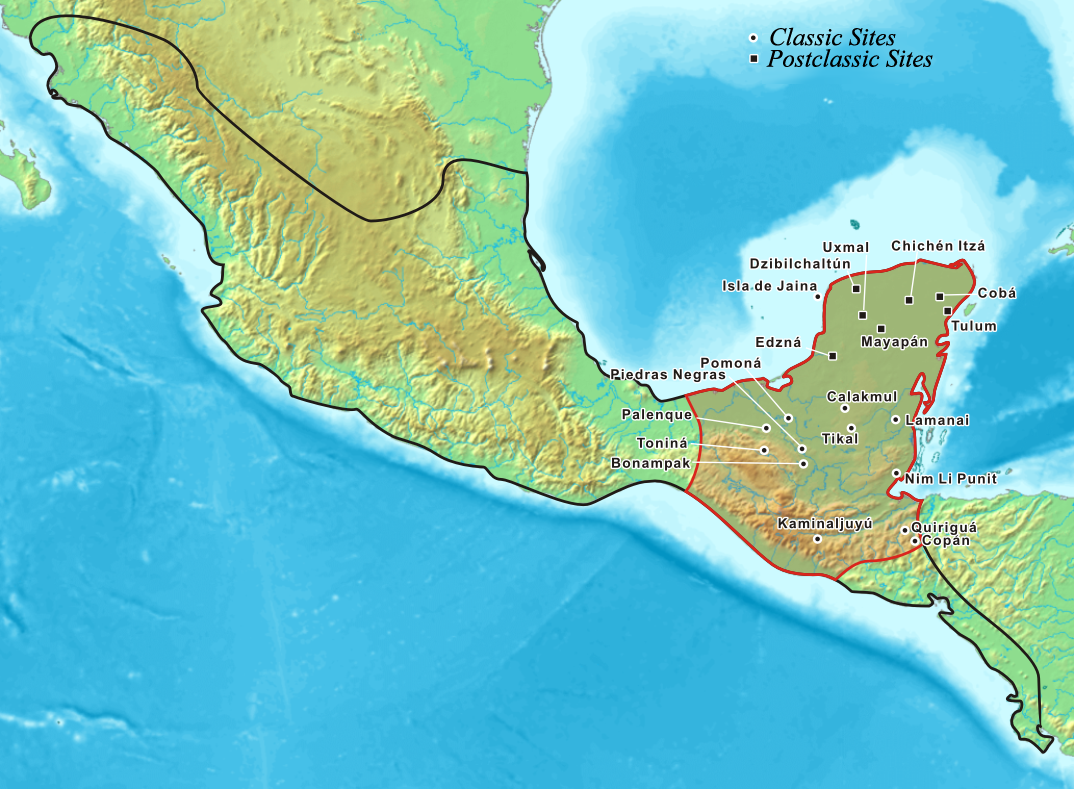
Mesoamerica — the region from central Mexico to northern Central America — is characterized by jungles, mountains, and coastal plains. It was home to many complex civilizations. The Andes Mountains of South America allowed the Inca to build a highland empire with its own micro-climates and agricultural systems.
The Maya
- Complex hieroglyphic writing system
- Advanced astronomy and calendar systems
- Monumental pyramids and city-states
- Mathematics including concept of zero
Teotihuacan
"City of the Gods" — Located in central Mexico, Teotihuacan was one of the largest cities in the ancient world (peak pop. ~125,000). It influenced cultures across Mesoamerica. Famous for the Pyramid of the Sun and Pyramid of the Moon. Its origins and the people who built it remain mysterious.
The Aztec Empire
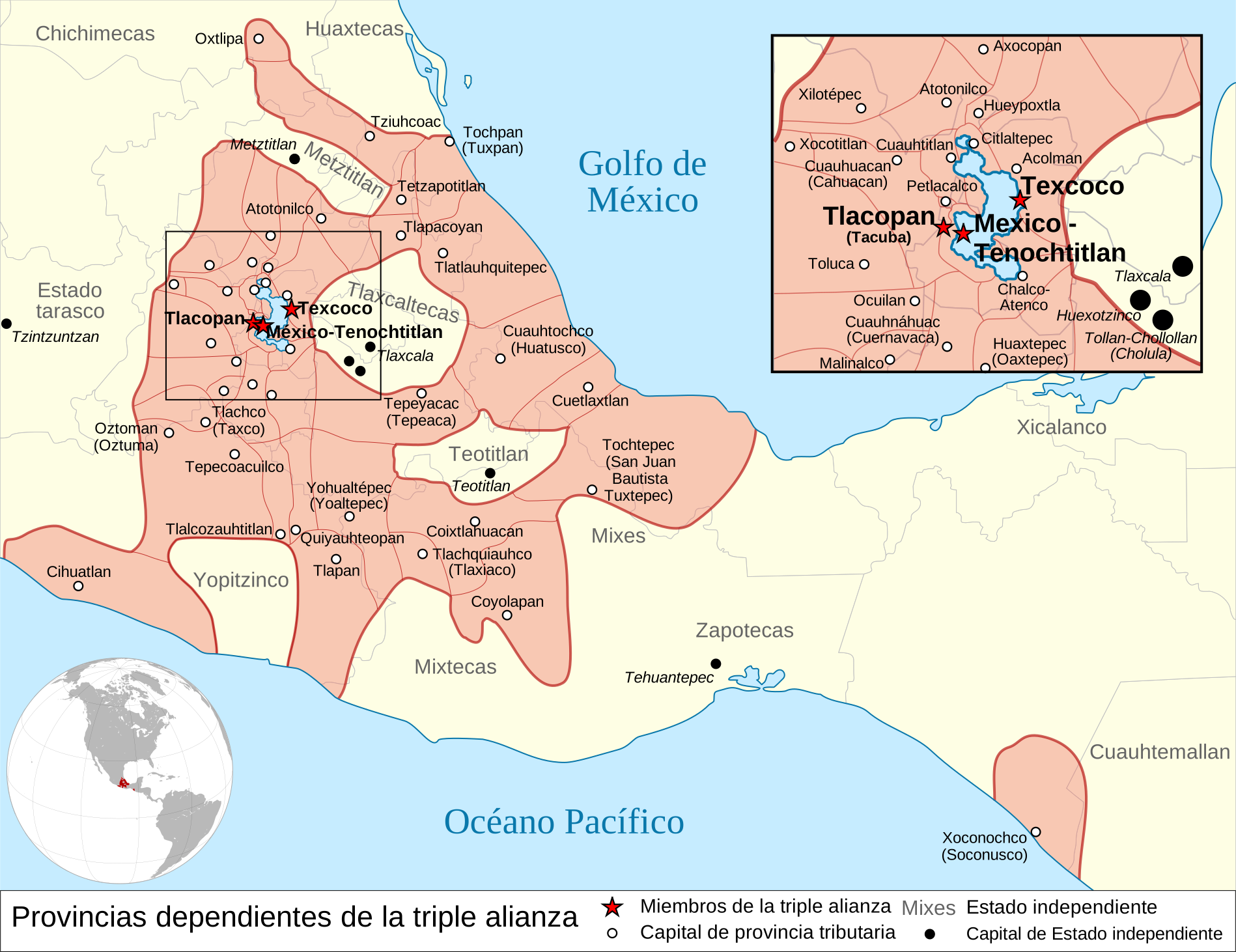
Government: Powerful emperor; conquered peoples paid tribute (goods, labor, sacrificial victims).
- Human sacrifice — fed the gods, especially the sun god Huitzilopochtli, to keep the world in motion
- Quetzalcoatl — feathered serpent god; some sources say Cortés was believed to be his return
- Pictographic writing and a 365-day solar calendar
The Inca Empire
Roads: 25,000+ miles of roads connecting the Andes; llamas carried goods; runners (chasquis) relayed messages.
Machu Picchu: Famous mountain citadel, built ~1450 CE — possibly a royal estate.
- Sapa Inca (divine emperor) at the top
- Nobles and priests
- Commoners — owed mit'a (labor tax)
Civilizations of Africa
Social Classes & Religion in Africa
East Africa: Axum & the Ethiopian Orthodox Church
Kingdom of Axum (modern Ethiopia/Eritrea) was a major trading empire from ~100–940 CE. It controlled trade routes between Africa and the Red Sea/Indian Ocean. Axum converted to Christianity in the 4th century CE under King Ezana, establishing the Ethiopian Orthodox Church — one of the oldest Christian institutions in the world. Axum created its own script (Ge'ez) and distinctive obelisks (stelae).
West Africa: Ghana, Mali & the Gold-Salt Trade
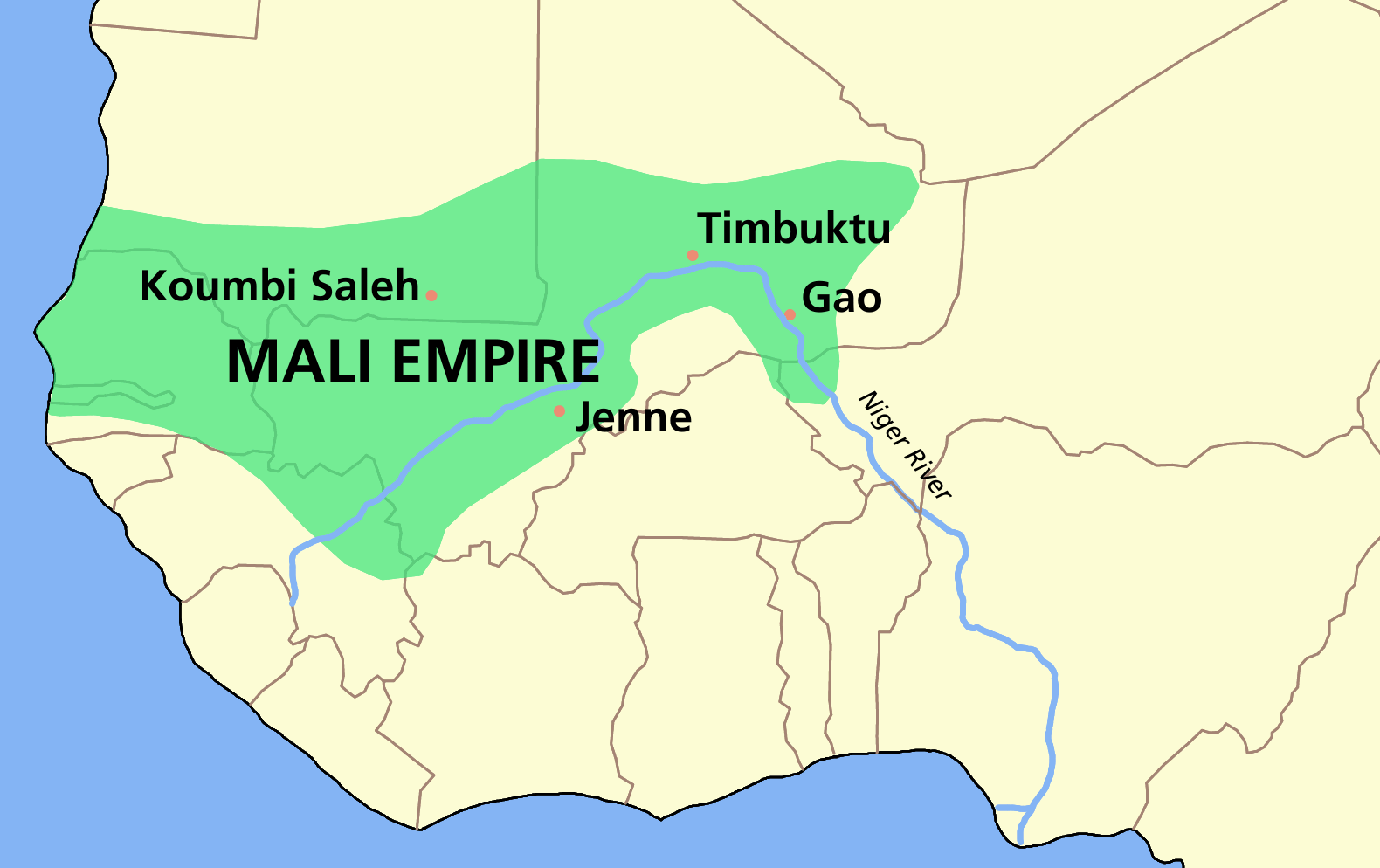
Empire of Ghana (c. 700–1200 CE) — the first great West African empire. Controlled trade between the gold fields of the south and the salt mines of the Sahara. Kings taxed all goods entering and leaving, becoming enormously wealthy.
Gold-Salt Trade: West Africans had gold but lacked salt (essential for survival). North Africans had salt but wanted gold. This complementary need fueled trans-Saharan trade.
Swahili Coast & Great Zimbabwe
European Exploration
Why Did Europe Explore?
- Trade: Desire for direct access to Asian spices, silk, and luxury goods (cutting out Ottoman middlemen)
- Religion: Spreading Christianity; finding Christian allies
- Wealth & Glory: Personal fame and riches for explorers and their sponsors
- Reconquista Spirit: Spain and Portugal, having just expelled Muslims, were primed for "holy war" expansion
The Reconquista
The centuries-long Christian campaign to retake the Iberian Peninsula from Muslim (Moorish) rule. Completed in 1492 when Ferdinand and Isabella captured Granada. This set Spain's mindset — religious zeal + military conquest — directly into the Age of Exploration.
Technology of Exploration
Portugal Leads the Way
Prince Henry the Navigator (1394–1460) — Portuguese prince who established a school of navigation and sponsored systematic exploration of the African coast. He never sailed himself but transformed exploration into a state enterprise.
Key Explorers
Trading Posts & Early Slave Trade
Portugal established trading posts (fortified commercial outposts) along African coasts and in Asia to control trade without large-scale colonization. These posts also became nodes of the early slave trade — by the 1440s, Portuguese traders were transporting enslaved Africans to Europe and Atlantic islands. This set the template for the transatlantic slave trade to follow.
Treaty of Tordesillas (1494)
With Pope Alexander VI's mediation, Spain and Portugal divided the entire non-Christian world between themselves along a line 370 leagues west of the Cape Verde Islands. Spain got the Americas (except Brazil); Portugal got Africa, Asia, and Brazil. Other European powers ignored this treaty entirely.
European Conquest & Colonization
Why Did Europeans Win So Quickly?
- Smallpox and disease — killed up to 90% of some indigenous populations; devastated military capacity before battles
- Technology — steel weapons, armor, and horses vs. stone and obsidian weapons
- Alliances — conquistadors exploited existing political tensions (e.g., peoples conquered by Aztecs welcomed Cortés as a liberator)
- Political disruption — civil wars within both the Aztec and Inca empires weakened resistance
Hernán Cortés & the Aztec Empire (1519–1521)
Spanish conquistador Cortés landed in Mexico with ~500 soldiers. He allied with peoples who resented Aztec rule (especially the Tlaxcalans) and marched on Tenochtitlan. Emperor Montezuma II received him initially; Cortés eventually took him hostage. After a period of conflict, smallpox swept through Tenochtitlan, killing Montezuma's successor. By 1521, the Aztec Empire had fallen.
Doña Marina (La Malinche) — An indigenous Nahuatl-speaking woman given to Cortés as a slave who became his interpreter, advisor, and partner. Her translation and cultural knowledge were indispensable to the conquest. She is a complex figure — viewed by some as a traitor to her people, by others as a survivor.
Francisco Pizarro & the Inca Empire (1532)
Pizarro arrived in Peru with ~180 soldiers during an Inca civil war between two brothers (Huáscar and Atahualpa). He captured Emperor Atahualpa, collected an enormous ransom in gold and silver, then executed him anyway. Without their emperor, the Inca political structure collapsed. By 1535, Spanish control was established.
The Colonial System
Colonial Social Hierarchy
- Peninsulares — Spanish-born colonists; highest status, held all major government posts
- Creoles — American-born people of full European descent; wealthy but excluded from top offices
- Mestizos — mixed European and indigenous ancestry
- Indigenous peoples — subject to tribute and labor demands
- Enslaved Africans — at the bottom; brought to replace indigenous labor
The Columbian Exchange
- Potatoes, corn (maize), tomatoes, chocolate, tobacco, peanuts, peppers, squash, beans
- New diseases for Europeans (none significant)
- Horses, cattle, pigs, sheep, chickens
- Wheat, rice, sugar cane, bananas
- Devastating diseases: smallpox, measles, influenza, typhus
- Iron tools, gunpowder weapons
The Transatlantic Slave Trade (Atlantic System)
The transatlantic slave trade was one of history's most devastating forced migrations. Between the 1400s and 1800s, approximately 12–15 million Africans were forcibly transported to the Americas. It reshaped Africa, the Americas, and Europe permanently.
Indigenous African Slavery vs. Transatlantic Slavery
- Existed before European contact
- Often the result of war or debt
- Not typically hereditary
- Enslaved people had some legal protections
- Could be freed or absorbed into the community
- Based on race
- Permanent and hereditary (children born enslaved)
- No legal rights
- Extreme brutality and dehumanization
- Industrial scale — millions transported
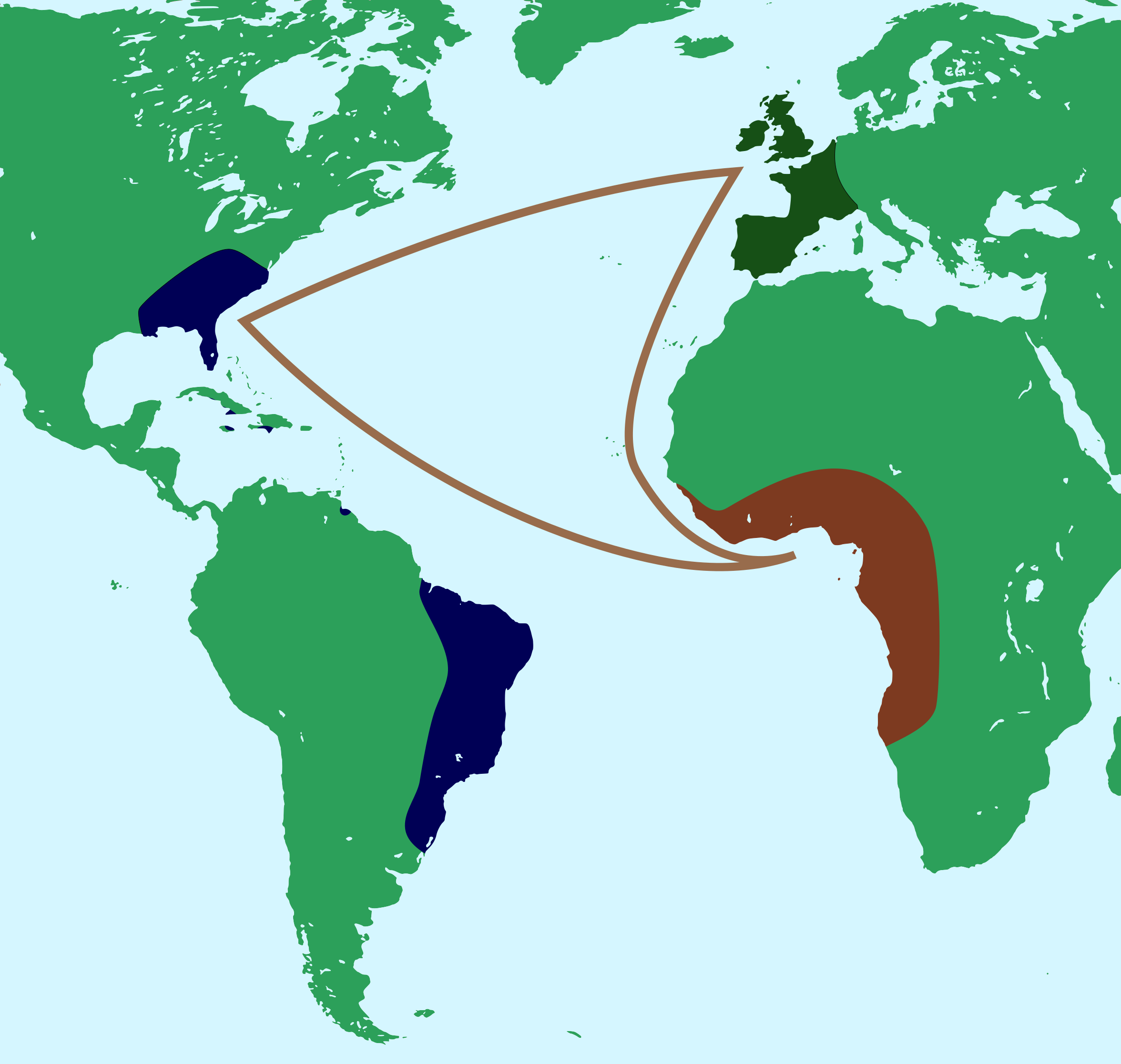
Triangular Trade
Leg 1 (Europe → Africa): European ships carried manufactured goods (textiles, guns, metal goods) to West Africa, trading for enslaved people.
Leg 2 (Africa → Americas) — The Middle Passage: Enslaved Africans were transported across the Atlantic in horrific conditions. Ships were packed far beyond capacity. Mortality rates ranged from 10–30% per voyage.
Leg 3 (Americas → Europe): Colonial products — sugar, tobacco, cotton, rice, indigo — produced by enslaved labor were shipped back to Europe for profit.
The Middle Passage
The ocean crossing was called the Middle Passage — the middle leg of the triangular trade. Enslaved people were chained together in the ship's hold with minimal space, food, water, or sanitation. Disease spread rapidly. Resistance (revolts, suicide) was common. Those who survived arrived traumatized, having lost their names, families, and freedom permanently.
Monoculture, Maroons & Diaspora
Maps
Key maps for Unit 7. Study these carefully — you will be tested on geography.


Video Resources
Recommended videos to help you visualize and understand Unit 7 content.
Flashcards
Color key: ■ Latin America ■ Africa ■ Exploration ■ Conquest ■ Slave Trade
40-Question Practice Quiz
Click "Show Answer" after each question to check yourself.
Latin American Civilizations
- Cuzco
- Tenochtitlan
- Teotihuacan
- Tikal
Show Answer
- Aztec
- Maya
- Inca
- Olmec
Show Answer
- Chariot racing and military parades
- Communication, trade, and military movement
- Religious pilgrimage only
- Moving water for irrigation
Show Answer
- A jaguar with a golden mask
- A feathered serpent
- An eagle devouring a snake
- A sun disk with human features
Show Answer
- Inca
- Aztec
- Maya
- Teotihuacan
Show Answer
- Conquered peoples voluntarily sharing goods with Tenochtitlan
- Aztec nobles distributing wealth to the poor
- Conquered peoples required to pay taxes in goods, labor, and captives
- Trade agreements negotiated between city-states
Show Answer
- It was where Aztec gods were believed to live in human form
- It was a massive ancient city of mysterious origin, with massive pyramids later peoples believed only gods could have built
- Priests governed it as a theocracy
- It was the site of the most human sacrifices in Mesoamerica
Show Answer
- Carved stone pictographs
- Trained parrots carried oral messages
- The quipu — a system of knotted cords
- Messenger runners memorized spoken records
Show Answer
- Entertain the Aztec ruling class
- Nourish the sun god and maintain cosmic order
- Punish criminals and prisoners of war equally
- Demonstrate military power to neighboring cities
Show Answer
- Machu Picchu
- Tenochtitlan
- Cuzco
- Tikal
Show Answer
African Civilizations
- Mali
- Ghana
- Axum
- Great Zimbabwe
Show Answer
- East Africa and the Arabian Peninsula
- West Africa and North Africa
- Central Africa and Southern Europe
- The Swahili Coast and India
Show Answer
- Conquering Egypt and uniting North and West Africa
- His lavish pilgrimage to Mecca that showcased Mali's enormous wealth
- Founding the Mali Empire after defeating the Sosso
- Introducing Islam to sub-Saharan Africa
Show Answer
- Mansa Musa
- Sundiata Keita
- Bartolomeu Dias
- King Ezana
Show Answer
- Their large armies that resisted Arab invasions
- Their role as thriving Indian Ocean trade centers blending African and Islamic cultures
- Their discovery of sea routes to Europe
- Their connections to the Aztec Empire through Pacific trade
Show Answer
- A religious temple built for ancestor worship
- A military fortress to defend against Arab raids
- A royal capital and trade center controlling regional gold trade
- A farming community built to store grain
Show Answer
- Military conquest by Arab armies from Oman
- Missionary work by European Christian converts
- Through Indian Ocean trade contacts with Arab merchants
- By force, imposed by the Ottoman Empire
Show Answer
- Axum
- Empire of Ghana
- Songhai
- Great Zimbabwe
Show Answer
- African slavery was more brutal and based on heredity
- African slavery was typically not hereditary and allowed for more legal protections and social mobility
- African slavery was practiced only in North Africa
- There was no meaningful difference between the two systems
Show Answer
- Portuguese missionaries in the 1500s
- The conversion of King Ezana of Axum in the 4th century CE
- The spread of Islam and its later reversal in East Africa
- St. Paul's missionary journey to East Africa
Show Answer
European Exploration
- Predict the weather on ocean voyages
- Measure wind speed and direction
- Determine latitude by measuring the angle of celestial bodies
- Calculate how much cargo a ship could carry
Show Answer
- It was large enough to carry hundreds of soldiers
- It was small, fast, and could sail against the wind, making ocean exploration practical
- It was equipped with cannons powerful enough to destroy any fortress
- It could travel on both rivers and oceans
Show Answer
- Personally sailing around Africa to India
- Sponsoring systematic Portuguese exploration of the African coast and establishing a navigation school
- Signing the Treaty of Tordesillas with Spain
- Discovering the Americas before Columbus
Show Answer
- Vasco da Gama
- Columbus
- Bartolomeu Dias
- Magellan
Show Answer
- Leading the first circumnavigation of the globe
- Establishing the first European trading post in India
- Recognizing that the Americas were previously unknown continents, not Asia
- Sailing further south than any European before him
Show Answer
- The Spanish conquest of the Aztec Empire
- The centuries-long Christian reconquest of the Iberian Peninsula from Muslim rule
- Portugal's seizure of Brazil under the Treaty of Tordesillas
- Columbus's second voyage to the Americas
Show Answer
- England and France
- Spain and Portugal
- The Pope and the Holy Roman Emperor
- Spain and the Ottoman Empire
Show Answer
- He was the first European to reach North America
- He completed the first circumnavigation of the globe
- He established a direct sea route from Europe to India, bypassing the Ottoman trade monopoly
- He proved the Earth was round
Show Answer
European Conquest & Colonization
- Land grants for farming in exchange for military service
- The right to demand labor and tribute from indigenous people in exchange for "protection" and Christian instruction
- Permission to trade freely with indigenous nations
- Ownership of all silver mines in their territory
Show Answer
- It made Spanish soldiers appear supernatural and invincible
- It killed Spanish horses, forcing a change in military tactics
- It devastated indigenous populations before and during conquest, collapsing political structures and military resistance
- It spread to Spain and weakened its ability to send further armies
Show Answer
- 1492
- 1521
- 1532
- 1545
Show Answer
- A Spanish queen who funded Columbus's first voyage
- An indigenous woman who served as Cortés's crucial interpreter and advisor during the conquest
- A Portuguese explorer who first mapped the Mexican coast
- The Aztec empress who negotiated a peace treaty with Spain
Show Answer
- Mestizos
- Creoles
- Peninsulares
- Indigenous leaders who converted to Christianity
Show Answer
- Leading the conquest of the Maya civilization
- Drawing the first accurate map of the Americas
- Advocating fiercely for the rights of indigenous peoples and documenting Spanish atrocities
- Establishing the first permanent European colony in the Americas
Show Answer
- Trade agreements negotiated between Columbus and the Taíno people
- The transfer of plants, animals, diseases, and cultural practices between the Old World and the Americas after 1492
- The division of the Americas between Spain and Portugal
- The economic system Columbus proposed to fund future voyages
Show Answer
The Transatlantic Slave Trade
- Europe → Asia, Asia → Africa, Africa → Europe
- Europe → Americas (goods), Americas → Africa (cash crops), Africa → Europe (enslaved people)
- Europe → Africa (manufactured goods), Africa → Americas (enslaved people), Americas → Europe (cash crops)
- Spain → Portugal, Portugal → Africa, Africa → Spain
Show Answer
- A mountain pass through the Pyrenees used by Spanish armies
- The ocean voyage of enslaved Africans from West Africa to the Americas
- A trade route through the Sahara linking West Africa to North Africa
- The journey from the Americas back to Europe carrying cash crops
Show Answer
- Using only workers from a single ethnic group
- Farming only one crop (like sugar or tobacco) for export, using enslaved labor
- A system where farmers grew food only for their own families
- Rotating multiple crops to keep soil fertile
Show Answer
- European plantation owners who managed enslaved workers
- Indigenous peoples who successfully resisted Spanish conquest
- Enslaved Africans who escaped bondage and formed independent free communities
- Children of mixed African and European ancestry
Show Answer
- Voluntary migration of Africans to Europe during the Renaissance
- The forced dispersal of millions of Africans through the transatlantic slave trade
- African exploration of the Americas before Columbus
- Religious pilgrimages to Mecca and the Middle East
Show Answer
Rapid Review Sheet
Last-minute review — the essentials for Unit 7.
Key People
- Mansa Musa — Mali emperor; great wealth, 1324 hajj
- Sundiata — Founded the Mali Empire
- Prince Henry — Sponsored Portuguese exploration
- Bartolomeu Dias — Rounded Cape of Good Hope (1488)
- Vasco da Gama — First to India by sea (1498)
- Columbus — Reached Americas (1492)
- Magellan — First circumnavigation (1519–22)
- Vespucci — Named the Americas
- Cortés — Conquered Aztecs (1521)
- Pizarro — Conquered Inca (1532)
- Doña Marina — Cortés's interpreter, key to conquest
- Las Casas — Advocated for indigenous rights
- Montezuma II — Aztec emperor at time of conquest
Key Terms
- Tribute — Tax paid to Aztec Empire in goods/people
- Quipu — Inca knotted-cord record system
- Gold-salt trade — Fueled West African empires
- Encomienda — Spanish forced labor system
- Caravel — Fast Portuguese exploration ship
- Astrolabe — Measures latitude by stars
- Columbian Exchange — Transfer of plants/animals/disease
- Triangular Trade — Europe→Africa→Americas→Europe
- Middle Passage — Ocean crossing for enslaved Africans
- Reconquista — Christian reconquest of Iberia (ends 1492)
- Mestizo/Creole/Peninsulare — Colonial social hierarchy
- Monoculture — Single-crop plantation economy
- Maroons — Freed/escaped enslaved communities
- Diaspora — Scattering of Africans via slave trade
Key Civilizations & Empires
- Maya — Writing, astronomy, pyramids; Mesoamerica
- Aztec — Tenochtitlan, tribute, human sacrifice
- Inca — Cuzco, roads, quipu, Machu Picchu
- Axum — East Africa; early Christianity
- Ghana — First W. African empire; gold-salt trade
- Mali — Mansa Musa; Timbuktu; Islam
- Swahili Cities — Indian Ocean trade; Islam
- Great Zimbabwe — S. Africa trade center; stone walls
Content Targets — Quick Answers
- Geography shaped civilizations — Aztecs: lake city; Inca: mountain roads; Mali: trans-Saharan trade
- Pre-Columbian achievements — Writing, astronomy, engineering, road networks, trade systems
- African empires' achievements — Axum: early Christianity, Ge'ez script; Mali: Islamic learning, gold wealth
- Motivations to explore — Spice trade, Christian mission, wealth, glory, bypassing Ottomans
- How Europeans explored — Caravel + astrolabe + sponsorship; built on Arab/Greek knowledge
- Slave trade impact — Africa lost millions; Americas developed on forced labor; created diaspora
- Social/economic changes — Capitalism, mercantilism, racial hierarchy, global trade networks
Key Dates to Know
- 1488 — Dias rounds Cape of Good Hope
- 1492 — Columbus; Reconquista ends
- 1494 — Treaty of Tordesillas
- 1498 — Da Gama reaches India
- 1519–1521 — Cortés conquers Aztecs
- 1519–1522 — Magellan's circumnavigation
- 1324 — Mansa Musa's hajj to Mecca
- 1532 — Pizarro conquers Inca
- c. 330 CE — Axum converts to Christianity
- c. 1235 — Sundiata founds Mali Empire